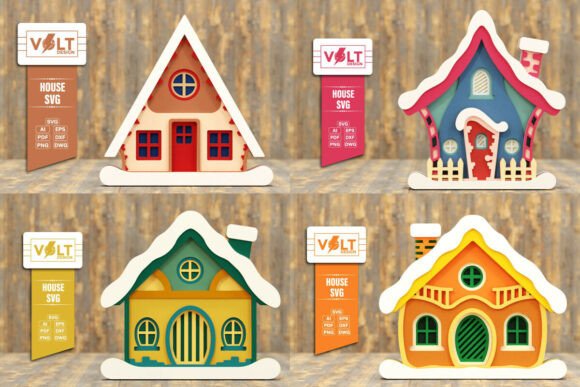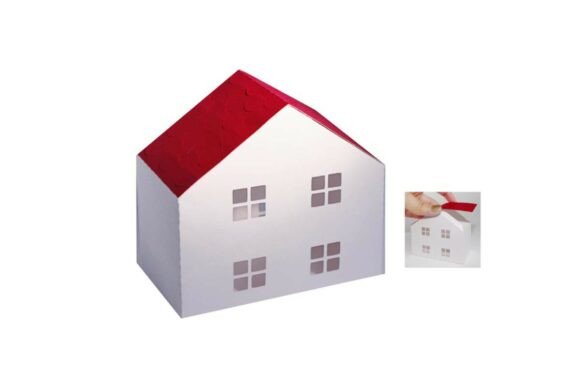
3D House Shaped Paper Favour Box SVG
When you are planning a special event, whether it is a wedding, a baby shower, or a birthday party, the details often make the biggest impression on your guests. One of the most charming ways to leave a lasting memory is through thoughtful packaging. The 3D House Shaped Paper Favour Box SVG offers a delightful solution for creating unique, three-dimensional keepsakes that stand out from standard flat bags or simple boxes. This design allows crafters and event planners to assemble a miniature home for their treats, adding a layer of whimsy and personalization that two-dimensional alternatives simply cannot match.
However, working with digital cut files requires more than just hitting the print button. There is a significant difference between a file that looks good on screen and one that cuts cleanly and assembles reliably. Understanding the nuances of this specific design can save you time, materials, and frustration. Below, we explore what makes this particular house design effective, common pitfalls to avoid, and how to ensure your final product looks professional and polished.
Understanding the Design Structure
The core appeal of this SVG lies in its structural integrity and visual detail. Unlike many generic box templates that rely on complex folding patterns which can be difficult for beginners to master, this design is engineered for ease of assembly without sacrificing aesthetic quality. It comes as a single main piece cut, meaning the walls and base are connected in a way that reduces the number of separate components you need to manage during assembly. This simplification is crucial for maintaining efficiency, especially when producing large quantities for an event.
A standout feature of this template is the roof piece, which includes detailed ‘pop out’ slates. These small, protruding elements mimic the texture of real roofing tiles, adding a tactile and visual depth that elevates the perceived value of your favour box. When you glue and close the roof, you create a cohesive mini-house structure that serves as both a container and a decoration. This dual purpose is highly valued by creators who want to minimize waste while maximizing decorative impact.
Common Mistakes in Selection and Usage
Even with a well-designed template, errors can occur during the production phase. One frequent misunderstanding involves the assumption that all SVG files are created equal. Not every "house box" SVG accounts for material thickness or cutting tolerances. If you choose a low-quality file, you might find that the tabs overlap incorrectly, or the pop-out slates tear easily because the kerf (the width of the laser or blade cut) wasn't accounted for in the design. Always verify that the file is optimized for your specific cutting machine, whether it is a Cricut, Silhouette, or laser cutter.
Another common oversight is ignoring the paper weight. A 3D structure like this house relies on rigidity to hold its shape. Using thin tissue paper or flimsy cardstock may result in a box that collapses under the weight of sweets or loses its form entirely. Conversely, using paper that is too thick can make scoring and folding difficult, leading to cracked edges or misaligned joints. Finding the right balance is essential for a sturdy final product.
The Impact of Poor Material Choices
Choosing the wrong materials does not just affect the look; it impacts usability. If the glue spots are not clearly marked or if the adhesive surface area is insufficient due to poor design scaling, the box may come apart during transport. For a favour box intended to be handed out at a reception or mailed to guests, structural failure is a significant disappointment. Furthermore, if the 'pop out' slates are not designed with rounded corners or sufficient structural support, they can snag on other items or tear off completely, ruining the detailed aesthetic that made the design attractive in the first place.
Practical Advice for Better Results
To avoid these issues, start by testing your design before committing to expensive materials. Print a single copy on regular printer paper and assemble it manually. This step allows you to check the alignment of the roof, the fit of the walls, and the stability of the base. If the pop-out slates feel fragile in paper, they will likely be even more so in thinner cardstock. Use this test to adjust your settings or select a heavier stock if necessary.
- Check File Compatibility: Ensure the SVG file is compatible with your software version. Older versions of design programs may not interpret complex paths or grouped elements correctly, leading to missing cuts or unintended connections.
- Score Before Cutting: While the design may include fold lines, pre-scoring heavy cardstock ensures crisp, clean folds. This prevents the paper from bursting at the creases, which is particularly important for the roof’s slate details.
- Use Appropriate Adhesives: For intricate designs with small surfaces like the roof tabs, a precision tip glue bottle or double-sided tape dots work best. Liquid glues can warp thin paper if applied too generously.
Evaluating Your Options
Before purchasing or downloading any digital asset, take a moment to review the creator’s portfolio. In the case of this specific design, the note mentions finding more 3D house boxes in the creator’s portfolio. This is a strong indicator of consistency and expertise. Creators who offer multiple variations of a theme usually have refined their templates based on user feedback and practical testing. Look for reviews or comments from other users regarding the ease of use and the quality of the cut lines.
Additionally, consider the versatility of the design. Can the house be used for different occasions? With a neutral color palette, a 3D house box can serve as a Christmas ornament, a wedding favour, or a child’s party gift. This flexibility increases the value of your investment. However, be mindful of the scale. Ensure the dimensions provided in the file meet your needs for the treats you intend to package. A box that is too small may crush delicate cookies, while one that is too large may look disproportionate.
Enhancing Presentation
Once you have mastered the assembly, think about how you present the finished product. The 3D nature of the house lends itself well to display. Instead of hiding them in a basket, arrange them on a tiered stand or string them together as garland. The pop-out slates catch the light beautifully, especially if you use metallic or textured cardstocks. This attention to presentation reinforces the care you have put into your event, making the favour box a memorable part of the guest experience rather than just a vessel for candy.
In summary, the 3D House Shaped Paper Favour Box SVG is a powerful tool for enhancing your event decor. By understanding its structure, avoiding common material mistakes, and taking the time to test and refine your process, you can produce high-quality, beautiful favour boxes that delight your guests. Remember, the goal is not just to package a treat, but to provide a small, tangible memory of your special day. With careful preparation and the right approach, this design can help you achieve exactly that.